
Radon
Testing

Test Every Two
Years

We Do Not Do Testing, But We Have Suggestions Below.

All of Illinois can have high radon levels, and all buildings should be tested every two years according to the EPA and state radon program. Due to Illinois state regulations, radon mitigation companies like ours do not provide radon testing services on homes we mitigate or plan to mitigate, but testing can be performed by the building owner, resident using DIY test kits or by a professional radon tester.

Self-test kits are considered very reliable if you follow the instructions carefully. Below is a connection to a firm that offers a special price of $19.95 each, on accurate and easy tests if you live in Northeast Illinois (Chicagoland).

Professional testing is usually required for real estate and refinancing transactions. It usually takes a few days and costs $120- $350 per home.
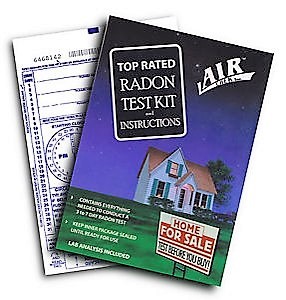
Self Testing with a Radon Test Kit

Free, No Obligation Price for Your Building.

Home Kits Special Only 19.95 ea.

Chicagoland Radon is a local company offering DIY radon tests for $19.95 to residents of Northeast Illinois (Chicago and its suburbs). These are high quality, accurate, and easy to use tests for a great price. They have produced results for millions of homes over the years. Free shipping and lab fees. 

Professional Testing

We are Not
DuPage
Radon
Testing, Inc.

We are often confused with DuPage Radon Testing. If radon testing determines that you have high radon levels, then give us a call.

Locating Professional
Testers

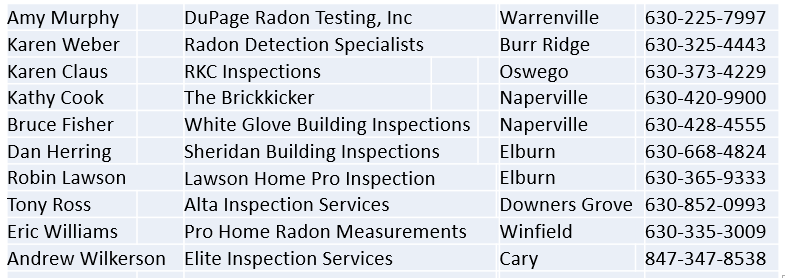
Look for radon testers thet are certified by the Illinois Emergency Management Agency (IEMA) and carry business and worker’s compensation insurance. Click here for state Licensed Testers or choose from the list below.

About Testing

What To
Expect

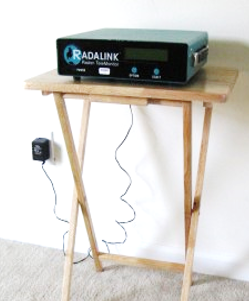
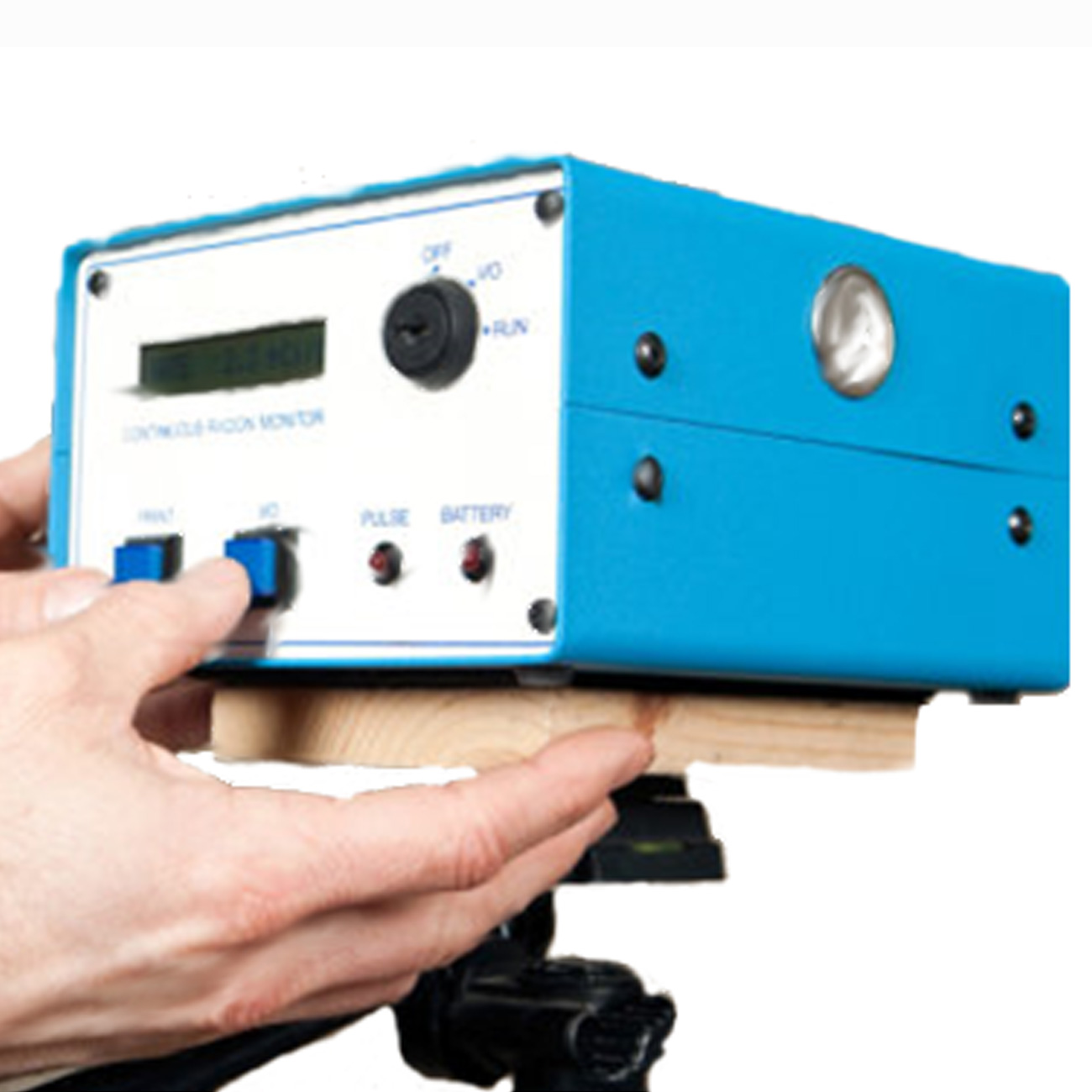
Radon detectors come in various styles. Typically, they are placed in a location a few feet above the ground and away from heat vents and exit doors. The detectors usually need to sit undisturbed for several days. Typically, you need to adhere to “closed door” procedures during the test. After the correct amount of time, the detector is the sent to a lab or collected by the professional to obtain the final results of the radon test.

One Test
per Area

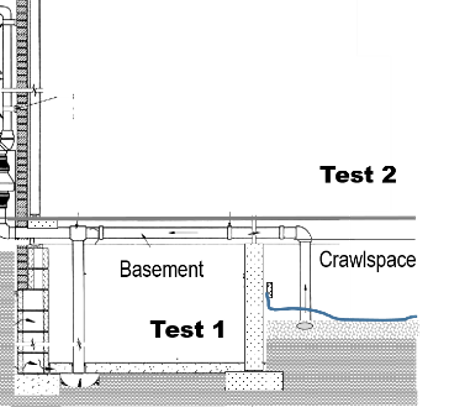
Buildings with multiple foundation types (basements, crawlspaces, and slab-on-grades) usually require a seperate test for each area. Each detector is placed in the lowest living space. For buildings with basements, this is in the basement; for crawlspaces, it is placed in the living space above the crawlspace. For slab-on-grade areas, it is placed on the first floor level.

“Closed
Building”

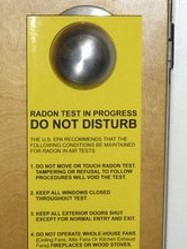
Don’t worry, you can still come and go. The closed building procedure just means that doors and windows are kept shut except as needed to come and go. Other conditions are maintained, such as not using the fireplace.

Stack
Effect

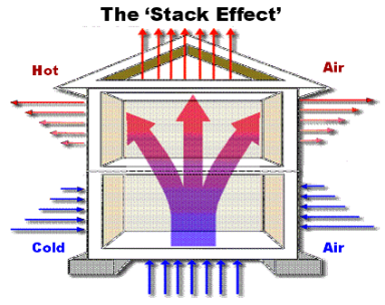
Warm air rises. When warm air rises in a building, it will push aganinst the upper ceiling and out through various cracks in the ceiling. This causes a suction effect at the bottom of the building, known as the stack effect. This stack effect has been shown to actually pull radon into the building.

Don't
Cheat

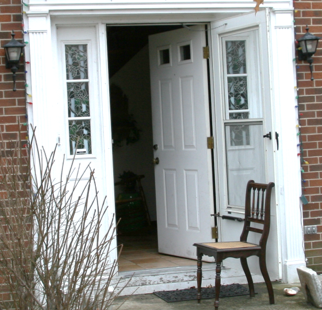
You may lose. Studies have shown that because of the stack effect, when people open windows or prop doors open during a radon test, the radon level can actually go up.

Did you
Know...?

Our Customers Talk